








Delhi on High Alert as Police Detain Protesters Over Election Commission Row
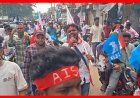
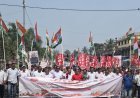
Delhi witnessed a major security crackdown on October 10, 2026, as police detained protesters opposing Chief Election Commissioner Gyanesh Kumar and demanding answers over alleged voter-list irregularities.
Delhi on High Alert as Police Detain Protesters Over Election Commission Row
Delhi Sees Major Security Crackdown Ahead of Protest
CNB WORLD TIMES
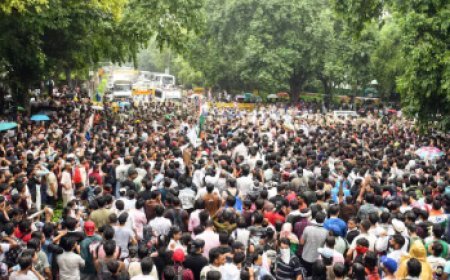
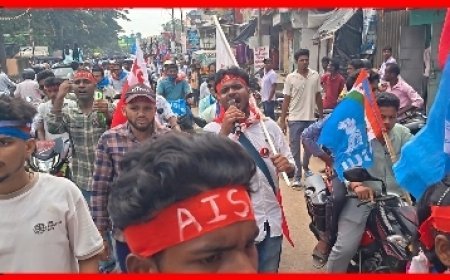
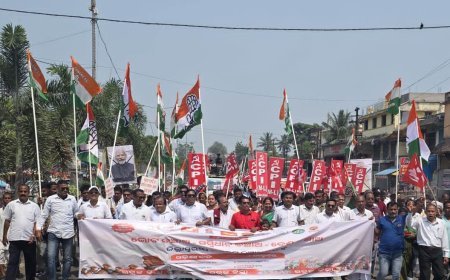
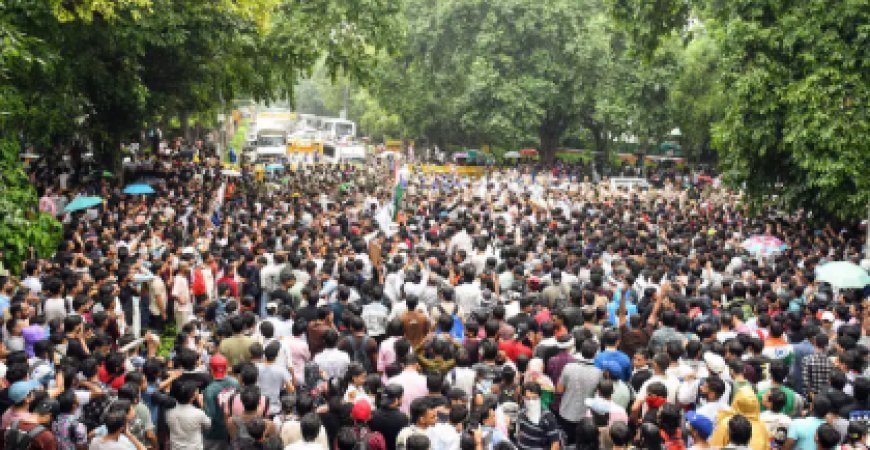
New Delhi witnessed tight security on October 10, 2026, ahead of a protest organised by the Cockroach Janta Party (CJP). The protesters demanded the resignation of Chief Election Commissioner Gyanesh Kumar over alleged irregularities in voter lists.
According to media reports, Delhi Police detained thousands of protesters, activists, opposition leaders and other participants. Estimates of the number of people affected by the security restrictions varied across reports.
The authorities deployed a large number of police and paramilitary personnel across the national capital. Several metro stations and markets were reportedly closed. Train services were also disrupted, while mobile internet restrictions were reported in parts of central Delhi.
The administration did not grant permission for the proposed gathering at Jantar Mantar. Police imposed restrictions to prevent protesters from reaching the site.
CJP Leaders Among Those Detained
Several leaders associated with the Cockroach Janta Party were reportedly detained while arriving in Delhi or attempting to reach the protest venue.
CJP founder Abhijeet Dipke was reportedly detained at Indira Gandhi International Airport after arriving from Mumbai. Party spokesperson Saurav Das and co-convenor Ashutosh Ranka were also reported to have been detained. Other party members, including Ajinkya Shinde, were reportedly targeted during the police action.
The crackdown also reportedly affected opposition politicians, civil society representatives, lawyers, journalists and student activists.
Opposition Leaders and Activists Detained
Media reports named several prominent political leaders and public figures among those detained or stopped from joining the protest. They included Aam Aadmi Party leaders Arvind Kejriwal, Sanjay Singh and Gopal Rai; Trinamool Congress leader Mamata Banerjee; and former Kerala Chief Minister Pinarayi Vijayan.
Other reported names included CPI(ML) Liberation General Secretary Dipankar Bhattacharya, activist Yogendra Yadav, senior advocate Prashant Bhushan, CPI(M) leaders M.A. Baby, Brinda Karat, M.V. Govindan, P.K. Sreemathy and P. Rajeev, economist Jean Drèze, and student activist Neha Bora.
YouTuber Dhruv Rathee was also named in reports about the police action. However, the circumstances and status of detention differed among the individuals mentioned.
Protesters Raise Concerns Over Voting Rights
The protesters alleged that irregularities in voter lists threatened democratic rights. Some participants claimed that a large number of names had been removed from electoral rolls and questioned the reasons behind the deletions.
One protester said that citizens were worried about losing their voting rights. The protester appealed to people to look beyond party politics and examine whether irregularities were taking place.
The allegations about voter deletions and their causes require verification from official electoral records. The claims made by protesters should not be treated as established facts without supporting evidence.
Political Reactions to the Crackdown
Congress leader Rahul Gandhi reportedly criticised the Election Commission and the central government. He expressed confidence that political change would create an opportunity to restore democratic institutions.
Bharatiya Janata Party spokesperson Sambit Patra reportedly dismissed the demonstrators as “anarchic elements”.
Amnesty International criticised the reported restrictions on dissent, while the Committee to Protect Journalists urged the authorities to respect journalists and allow them to carry out their work.
The CJP said that it intended to continue its protest despite the police action.
Security Restrictions Cause Problems for Passengers
The security measures reportedly caused inconvenience to commuters and other passengers travelling through Delhi. Restrictions on transport services and the closure of metro stations and markets affected movement across parts of the capital.
Passengers faced difficulties reaching their destinations amid the security arrangements. The disruption also raised concerns among people who had travelled to Delhi for work, education and other essential purposes.
The situation remained tense around the planned protest venue as authorities sought to prevent an unauthorised gathering.
Situation in the National Capital Territory
Delhi remained on high alert as police attempted to enforce restrictions ahead of the CJP demonstration. Reports of detentions varied, with some accounts citing hundreds of people and others reporting thousands.
The central issue behind the protest was the demand for the resignation of Chief Election Commissioner Gyanesh Kumar over allegations concerning voter-list revisions. The authorities' decision to deny permission for the gathering and restrict access to the protest area drew criticism from opposition groups and civil society representatives.
The developments highlighted the continuing political dispute over electoral transparency, the right to protest and the handling of demonstrations in the national capital.
What's Your Reaction?