










CJP Protest in Delhi Triggers Major Police Crackdown
The Gen-Z-led Cockroach Janta Party’s protest in New Delhi over voter list manipulation allegations triggered mass detentions, security restrictions and a major political debate over civil liberties.
CJP Protest in Delhi Triggers Major Police Crackdown
CNB WORLD TIMES
CJP Protest Against Chief Election Commissioner
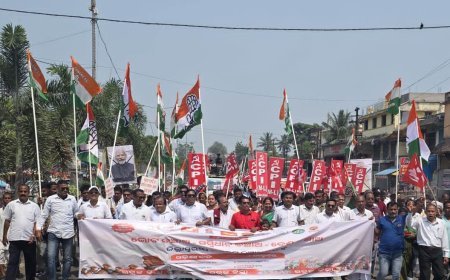
New Delhi witnessed a tense political confrontation in October 2026 after the Gen-Z-led Cockroach Janta Party (CJP) called for a protest against Chief Election Commissioner (CEC) Gyanesh Kumar. The party demanded his resignation over allegations of manipulation of voter lists. The Election Commission has denied the allegations.
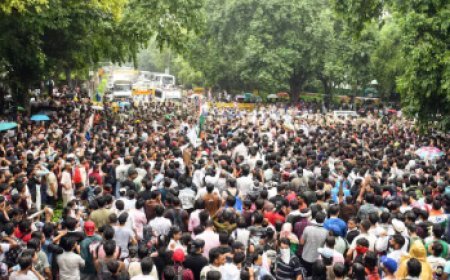
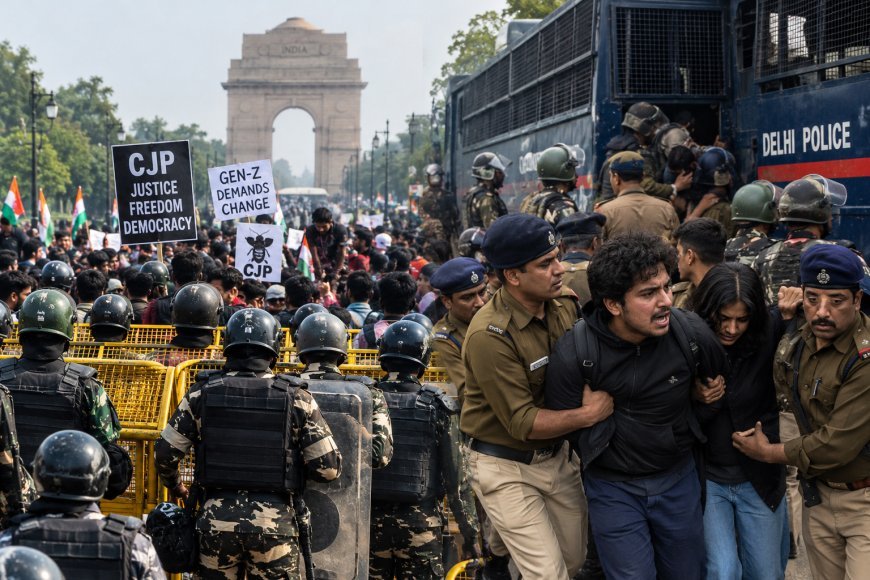
The protest was planned at Jantar Mantar, a prominent protest site in the national capital. However, Delhi Police reportedly refused permission for the gathering. Despite the restrictions, protesters assembled in and around central Delhi, leading to a major security operation.
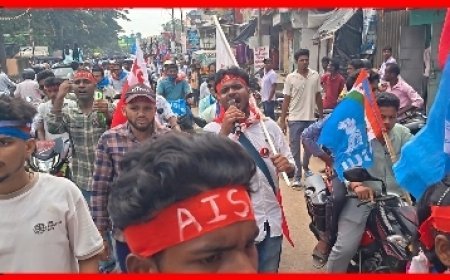
CJP leaders said their movement would continue until the Chief Election Commissioner resigned. They also appealed to political parties to unite over concerns about alleged electoral irregularities ahead of a proposed INDIA bloc march.
Heavy Security and Mass Detentions
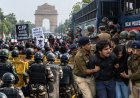
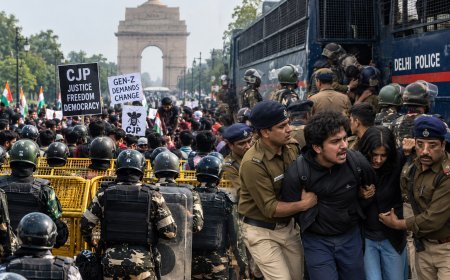
Delhi Police and paramilitary forces were deployed in large numbers to control the situation. Police personnel erected barricades, restricted movement and detained thousands of protesters at several locations.
Those detained were reportedly taken to temporary holding facilities and sports complexes. Several political figures, including leaders associated with the Aam Aadmi Party (AAP), were also reported to have been detained.
The restrictions affected movement across central Delhi. Reports also described the closure of 45 metro stations, road restrictions and temporary suspension of mobile internet services in some areas. These measures caused inconvenience to commuters and people visiting the affected locations.
Tension and Clashes at Protest Sites
The situation became tense around Sansad Marg and Jantar Mantar. Reports described scuffles between protesters and security personnel, along with the use of tear gas in some instances.
Heavy security deployment and rapid intervention teams helped contain the situation. However, videos and accounts from the protest sites triggered further public debate over the police response.
Several viral videos allegedly showed police personnel using excessive force against protesters. One video reportedly showed a police officer forcefully dragging a woman. Another appeared to show a journalist being physically assaulted while questioning the detention of a fellow reporter.
These incidents have raised concerns about the treatment of protesters and journalists. The authenticity and full context of the videos, as well as the circumstances surrounding the alleged incidents, require independent verification.
Allegations of Assault and Selective Action
Further controversy emerged over videos that allegedly showed women protesters being harassed and groups of young men attacking protesters who were isolated from others.
Some journalists and protesters claimed that they had presented evidence and asked the police to take action against those allegedly involved in the attacks. They alleged that their complaints did not receive an adequate response.
A woman lawyer was also reported to have expressed dissatisfaction with the law-and-order situation at the protest site.
Critics accused sections of the police of acting unfairly against protesters while allegedly failing to take equivalent action against people accused of attacking them. Some activists and opposition leaders also alleged a possible understanding between sections of the police and right-wing political activists.
These remain serious allegations and require investigation. No conclusion about individual responsibility or collusion should be drawn without verified evidence and an impartial inquiry.
CJP Leaders Released, Protest to Continue
CJP leaders Abhijeet Dipke, Ashutosh Ranka and Saurav Das were reportedly released after their detention. They claimed that their detention was illegal and said the movement would continue until CEC Gyanesh Kumar resigned.
Reports stated that their release came with a condition that they would not breach the peace for one year. The leaders maintained that their protest concerned the integrity of elections and the need to address allegations of voter list manipulation. The Election Commission has rejected the allegations against it.
Supreme Court Intervention and Civil Liberties Debate
Reports of mass detentions and restrictions on public movement brought the issue before the Supreme Court of India. According to the different media reports, the Court addressed concerns about illegal detention and the disruption of public services.
The reports said that, during a special sitting, the Court directed the authorities to ensure that people gathering peacefully were not illegally detained. It also called for the normal functioning of Delhi Metro services and addressed concerns about internet disruptions, subject to lawful restrictions and public order requirements.
The police action has also triggered debate over fundamental rights guaranteed by the Constitution.
Activists have referred to Article 19(1)(a), which protects freedom of speech and expression, Article 19(1)(b), which protects the right to assemble peacefully and without arms, and Article 21, which protects life and personal liberty.
These rights are subject to constitutional provisions and lawful restrictions. However, any restriction or detention must have a valid legal basis and comply with applicable safeguards.
Opposition Leaders Raise the Issue of Vote Chori
The controversy has intensified political debate over the integrity of India's electoral process.
Congress president Mallikarjun Kharge reportedly said that he and Rahul Gandhi, the Leader of the Opposition in the Lok Sabha, had sought a meeting with the Chief Justice of India between 4 pm and 5 pm on Monday, October 12, 2026.
According to the statement, they wanted to seek judicial intervention over allegations described by the opposition as “vote chori”, or electoral theft.
The request reflects the opposition's concerns about electoral practices. The allegations, however, require examination through appropriate legal and institutional processes.
United Nations Expresses Concern
The reported crackdown also drew international attention. The United Nations Human Rights Office reportedly expressed concern over mass detentions and called for the release of people detained arbitrarily.
The Indian government strongly rejected the remarks, describing them as unwarranted interference in the country's internal affairs.
The exchange added an international dimension to the debate over protest rights, policing and the treatment of detained citizens.
A Wider Debate Over Democracy and the Right to Protest
The CJP protest has developed into a wider debate over electoral transparency, police accountability and the constitutional right to peaceful assembly.
While the party and opposition groups have demanded answers over alleged voter list manipulation, the Election Commission has denied the allegations. Meanwhile, claims of excessive force, selective police action and attacks on protesters have intensified calls for an impartial investigation.
The key questions now concern the legality of the detentions, the circumstances surrounding the reported assaults, the basis of the restrictions and the status of the allegations against the Election Commission.
A transparent examination of the available evidence and compliance with the law will be essential to establishing the facts and maintaining public confidence in democratic institutions.
What's Your Reaction?