



















The Revised GST Rate Reforms Announced in India
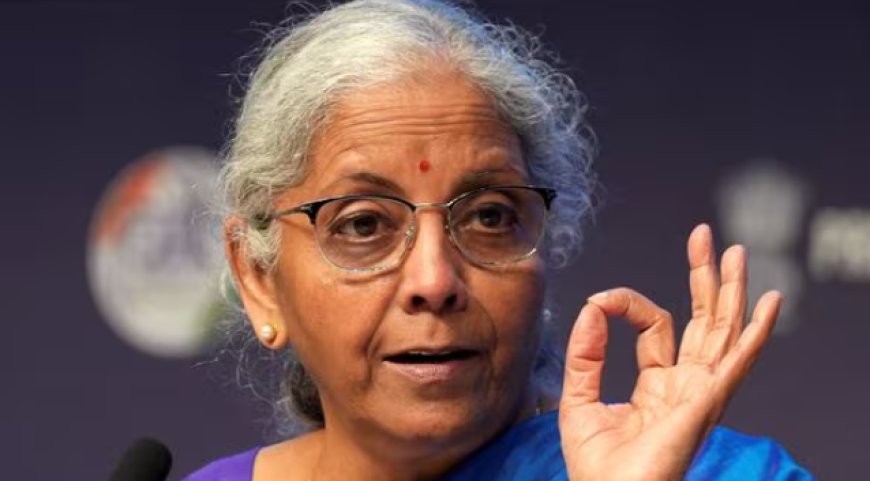
The Goods and Services Tax (GST) Council, chaired by Union Finance Minister Nirmala Sitharaman, has approved sweeping reforms to India’s indirect tax system. The decisions were taken at the 56th GST Council meeting on Wednesday.
The Revised GST Rate Reforms Announced in India
CNB World Times
New Two-Slab System of 5% and 18% from September 22, 2025
New Delhi, 4th Sept 2025: The Goods and Services Tax (GST) Council, chaired by Union Finance Minister Nirmala Sitharaman, has approved sweeping reforms to India’s indirect tax system. The decisions were taken at the 56th GST Council meeting on Wednesday.
The GST structure itself has been simplified. The earlier four slabs of 5%, 12%, 18% and 28% will be replaced by just two standard rates — 5% for essentials and 18% for most goods and services. A special 40% slab will apply to luxury and sin goods such as tobacco, pan masala, fizzy drinks, SUVs, luxury cars, and online gambling.
The Council also reduced GST on many daily-use products. UHT(Ultra High Temperature) milk, paneer, roti, pizza bread, parathas and khakhra will now be GST-free. Butter, ghee, cheese, jams, sauces, soups, pasta, namkeens and confectionery will be taxed at only 5%, down from 12–18%. Shampoo, hair oil, toothpaste, soaps and shaving items also move to the 5% slab. Dry fruits like almonds, pistachios, cashews, dates and citrus fruits are down to 5% GST.
In healthcare, many life-saving drugs such as Agalsidase Beta, Onasemnogene and Daratumumab will be completely tax-free. Medical oxygen, diagnostic kits, thermometers, bandages, corrective spectacles and most medicines will be taxed at only 5%.
Travel and leisure will also get cheaper. Restaurant meals will now attract just 5% GST instead of 12–18%. Hotel stays under ₹1,000 remain GST-free, while rooms between ₹1,000 and ₹7,500 will be taxed at 12%. Economy flight tickets will attract 5% GST, while business class will be charged 12%.
At the same time, sin and luxury items will become more expensive. Taxes have gone up on tobacco, carbonated drinks, luxury vehicles, yachts and other high-end products. SUVs and premium cars will be taxed at 40%.
Insurance experts welcomed the relief. Akash Parwal, CEO of Square Insurance, said, “Removing GST from health and life insurance will directly reduce the cost of premiums. A ₹25,000 health policy earlier cost around ₹4,500 extra due to GST. Now it will be more affordable, which can help increase insurance coverage in the country.”
Prime Minister Narendra Modi praised the reforms on social media, calling them a “next-generation GST reform” that will lower living costs and strengthen the economy.
The stock market reacted positively. The Sensex rose over 700 points and the Nifty jumped 200 points as investors cheered the cuts in GST on FMCG, healthcare, small cars and farm equipment.
The new GST system, being called a “historic Diwali gift”, is aimed at boosting consumption, making essentials cheaper, and simplifying the tax structure for businesses and citizens alike.
What's Your Reaction?