


























India's First Hydrogen-Powered Train
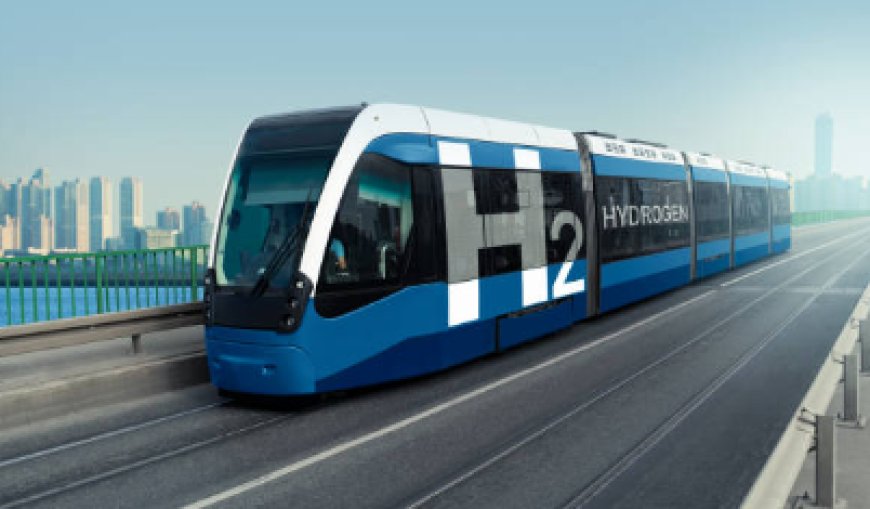
India is set to become the next country to operate hydrogen-powered trains, joining the global movement toward sustainable and zero-emission rail transport.
India's First Hydrogen-Powered Train
India to Join Global League of Hydrogen Train Operators with Indigenous Innovation
Chennai, 3rd September 2025: India is set to become the next country to operate hydrogen-powered trains, joining the global movement toward sustainable and zero-emission rail transport. Hydrogen trains generate electricity through hydrogen fuel cells, which combine hydrogen with oxygen to power electric motors, releasing only water vapor and heat as byproducts. Some systems also use hydrogen internal combustion engines, with hydrogen stored in onboard tanks.
In these trains, electricity produced by the fuel cell is stored in batteries. The system provides additional power during acceleration and while climbing inclines. Advanced regenerative braking technology captures kinetic energy during braking and converts it into electricity, further charging the onboard batteries. This clean energy cycle eliminates carbon emissions, smoke, and fuel combustion, significantly reducing both air and noise pollution.
Germany pioneered this technology with the launch of the Coradia iLint in 2018, followed by a full fleet deployment in 2022. Today, countries such as France, Sweden, Japan, China, and others are actively running or testing hydrogen trains. India is now stepping into this league with its own developments.
In July 2025, the Integral Coach Factory (ICF) in Chennai successfully tested the nation’s first hydrogen-powered coach. The ICF, in partnership with Medha Servo Drives, is building India’s first hydrogen train. Each unit will have hydrogen fuel engines at both ends and eight conventional coaches in between, capable of carrying up to 2,600 passengers. Refueling time will take just 20–25 minutes, offering high operational efficiency.
The trains will rely on green hydrogen, produced by the electrolysis of water using renewable energy sources with minimal greenhouse gas emissions. This ensures a genuinely sustainable alternative to diesel locomotives, particularly suitable for routes where electrification is difficult or costly.
The Indian Railways aims to achieve net-zero carbon emissions by 2070, in line with the nation’s decarbonisation goals. Hydrogen trains are expected to play a key role in this transition, offering a climate-friendly transport solution with greater flexibility to operate on both electrified and non-electrified tracks.
With this breakthrough, India is poised to accelerate its shift toward clean transportation, reinforcing its commitment to green mobility and technological innovation in the railway sector.
What's Your Reaction?