




















Historic Verdict: SC Orders Free Sanitary Pads and Separate Toilets in Schools
A bench comprising Justice J.B. Pardiwala and Justice R. Mahadevan issued binding directions to all States and Union Territories. The court ordered that all government and private schools must provide free biodegradable sanitary pads to adolescent girls. This applies to students from Classes 6 to 12.

Historic Verdict: SC Orders Free Sanitary Pads in Schools
SC Declares Menstrual Health a Fundamental Right Under Article 21
CNB World Times
In a landmark judgment, the Supreme Court of India has ruled that menstrual health is a fundamental right under Article 21 of the Constitution, which guarantees the right to life and dignity. The court said that access to menstrual hygiene is essential for the health, privacy, and equality of girls and women.
A bench comprising Justice J.B. Pardiwala and Justice R. Mahadevan issued binding directions to all States and Union Territories. The court ordered that all government and private schools must provide free biodegradable sanitary pads to adolescent girls. This applies to students from Classes 6 to 12.
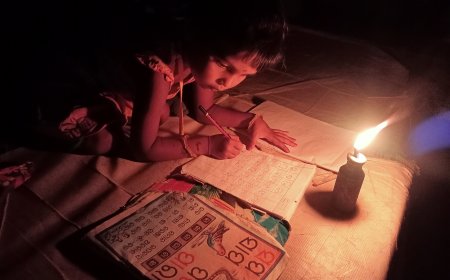
The Supreme Court observed that the lack of basic menstrual hygiene facilities and the social stigma around menstruation seriously affect girls’ health and education. It said that many girls are forced to miss school or drop out due to the absence of sanitary pads and proper toilets.
The court directed all schools to ensure the availability of functional, hygienic, and gender-segregated toilets. Separate toilets must be provided for girls, boys, and children with disabilities. The court made it clear that the absence of separate toilets for girls violates the Right to Equality under Article 14.
The bench also ordered the pan-India implementation of the Centre’s “Menstrual Hygiene Policy for School-going Girls.” The policy must be strictly followed by both government and private institutions. The court warned that private schools may face derecognition if they fail to comply with these directions.
The Supreme Court emphasized that menstrual hygiene management is inseparable from the right to live with dignity. It said dignity cannot remain an abstract idea and must be reflected in real-life conditions that prevent humiliation, exclusion, and avoidable suffering.
The court noted that the lack of menstrual hygiene facilities leads to repeated absenteeism among adolescent girls. Over time, this results in learning gaps, poor academic performance, reduced classroom participation, and eventually school dropouts. The state, the court said, has a duty to remove these barriers to education.
The bench stressed that achieving real equality requires proactive measures by the state to address long-standing discrimination. Access to safe and affordable menstrual hygiene products, the court said, is essential for sexual and reproductive health and for ensuring equal educational opportunities.
In strong remarks, the court said the issue goes beyond legal compliance. It said the order is meant for classrooms where girls hesitate to seek help, for teachers who want to support students but lack resources, and for parents who may not understand the impact of their silence.
The verdict was delivered in response to a public interest litigation filed in 2022 by social activist Jai Thakur from Madhya Pradesh. The petition highlighted how poverty and lack of facilities force many girls to miss school during menstruation. The Supreme Court had earlier directed the Central Government to frame a national policy on menstrual hygiene.
The court has given the Centre, States, and Union Territories three months to ensure full compliance. It warned of strict action, including cancellation of recognition of private schools and accountability of state governments for failures in public institutions.
The ruling aims to remove structural barriers faced by girls and ensure that schools become safe, inclusive, and dignified spaces for all students.
What's Your Reaction?