





The Nepalese Army is likely to take charge temporarily to maintain order
The Nepalese Army is likely to take charge temporarily to maintain order
The Nepalese Army is likely to take
charge temporarily to maintain order
Nepal’s Gen Z Protests Force President and Prime Minister to Resign
CNB World Times
Kathmandu,10th Sep, 2025: Nepal has plunged into crisis after massive protests spread across the country, leading to the resignation of both President Ram Chandra Poudel and Prime Minister KP Sharma Oli.
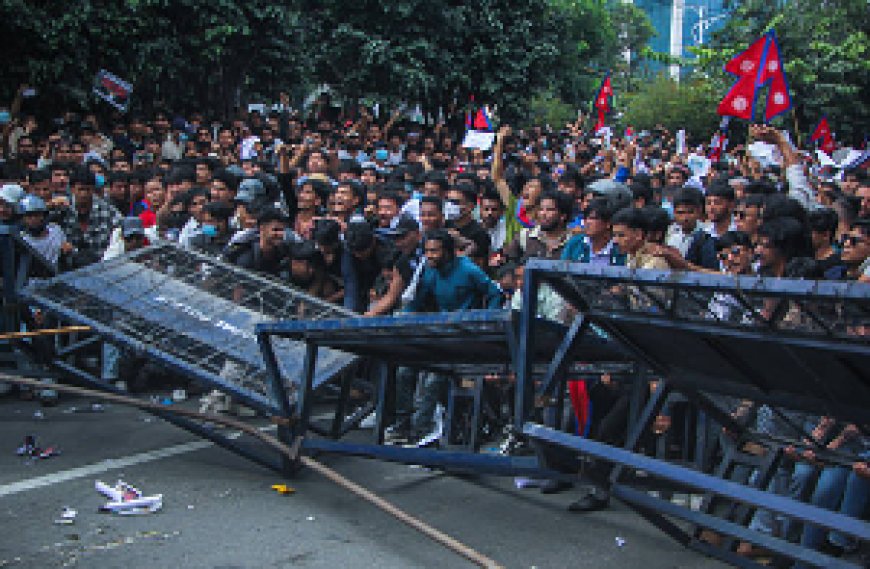
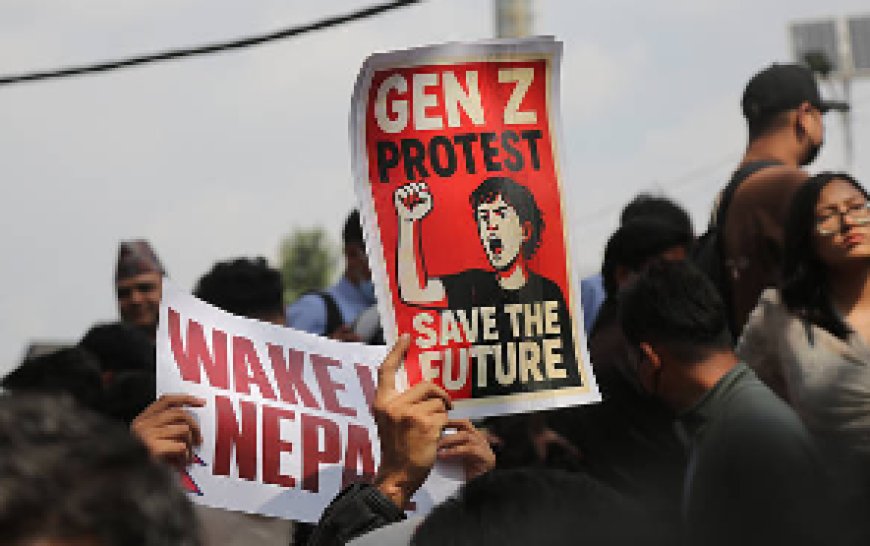
The protests began on Monday (September 8) after the government announced a controversial social media ban. Thousands of young people, mostly students from the Gen Z generation, took to the streets in Kathmandu and other cities. Their demands quickly grew into a wider movement against corruption and lack of accountability in the government.
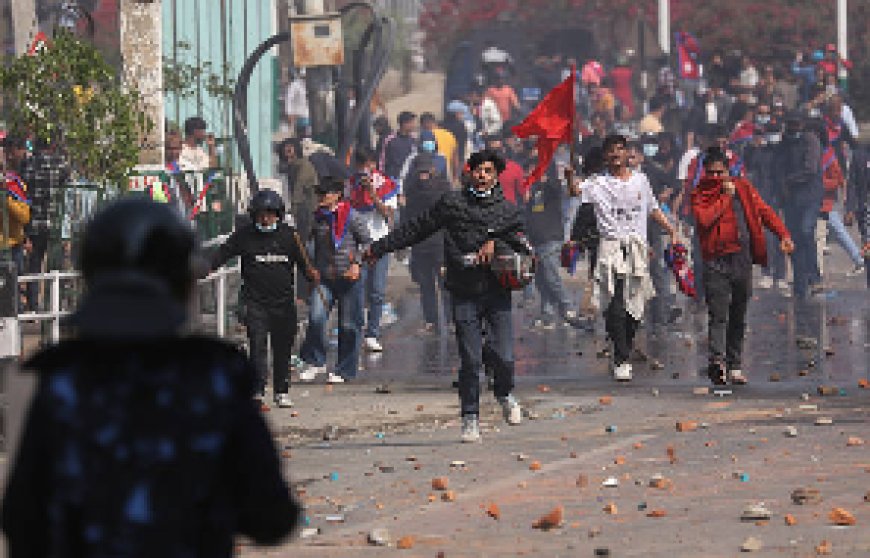
On Monday, police tried to disperse the protesters with force. At least 19 people were killed in police action, and hundreds were injured. The violence caused huge loss of life and property.
In a statement, Nepal’s army and bureaucracy expressed condolences to the bereaved families. They urged citizens to remain calm and appealed to political parties to find a peaceful and sustainable solution.
As anger grew, protesters stormed Prime Minister Oli’s office on Tuesday, shouting slogans and demanding his resignation. Soon after, Oli stepped down from his post.
The same day, President Ram Chandra Poudel also resigned. Their departure marked the collapse of the Oli government.
Amid the chaos, a video went viral showing Finance Minister Bishnu Prasad Paudel being chased and beaten by demonstrators. Security forces later reported that they had stopped an attempt by mobs to vandalize the historic Pashupatinath Temple.
Despite an indefinite curfew, clashes between demonstrators and police continued across the country. The unrest spread like wildfire, making it one of the biggest youth-led protests in Nepal’s recent history.
In his address to the nation, Nepal Army Chief General Ashok Raj Sigdel appealed for peace and dialogue. He said the Army would safeguard the country’s independence, sovereignty, and territorial integrity.
Consequences and Political Scenario Ahead:
-The resignations of both the President and Prime Minister have created a power vacuum.
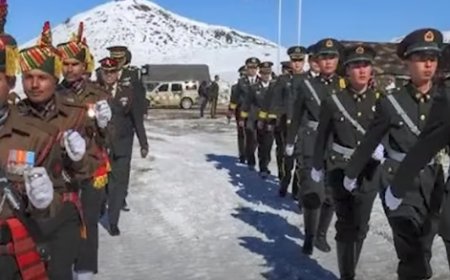
- The Nepalese Army is likely to take charge of the country temporarily to maintain order.
- Political parties will likely enter into emergency negotiations to form an interim national unity government, but deep divisions may delay consensus.
- The protests, largely led by students and the younger “Gen Z” population, highlight a generational demand for transparency, accountability, and digital freedom, signaling long-term political transformation.
- If instability persists, Nepal could face long-term military involvement in governance and greater influence from external powers. And Nepal may witness increased external influence, with both India and China closely monitoring the developments given Nepal’s strategic location.
Nepal now faces an uncertain future, torn between restoring democracy through dialogue and the risk of prolonged unrest under military oversight.
With both the President and the Prime Minister stepping down, the Nepalese Army is now poised to take charge of national security and governance. Army Chief General Ashok Raj Sigdel addressed the nation, appealing for peace and unity while reaffirming the Army’s commitment to protect Nepal’s sovereignty and territorial integrity. He urged protest leaders to suspend street demonstrations and resolve grievances through dialogue.
The unrest has forced the Nepalese government to impose an indefinite curfew in several districts, though protests continue to spread. India’s Ministry of External Affairs has issued an advisory urging Indian nationals in Nepal to stay indoors, avoid unnecessary travel, and postpone non-essential visits until stability returns.
Nepal now stands at a crossroads—between a peaceful transition through dialogue and a prolonged phase of political and military control that could shape the country’s democratic future.
What's Your Reaction?