








Restrictions on Media Entry into Schools
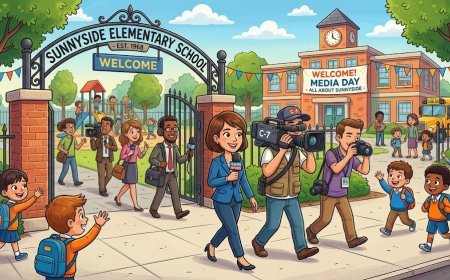
The Supreme Court on September 3, 2026, declined to entertain a PIL challenging restrictions imposed by Uttar Pradesh and Rajasthan on unauthorised entry, photography, videography, recording and livestreaming inside government schools.

Restrictions on Media Entry into Schools
Supreme Court Declines PIL Challenging Restrictions on Entry and Media Activities in UP, Rajasthan Government Schools
CNB WORLD TIMES
The Supreme Court on Thursday, September 3, 2026, declined to entertain a public interest litigation (PIL) challenging restrictions imposed by the governments of Uttar Pradesh and Rajasthan on the entry of journalists, social media influencers and civil rights activists into government schools.
A bench comprising Justice P.S. Narasimha and Justice Alok Aradhe declined to interfere with the state-level orders while hearing an Article 32 writ petition challenging the restrictions.
According to the directions issued by the state authorities, unauthorised entry or presence on school premises, as well as photography, videography, interviews, audio recording and livestreaming, are subject to restrictions. The orders also provide for police action in cases of alleged violations.
The petition challenged provisions concerning unauthorised entry and recording activities and referred to warnings that violators could face proceedings under applicable laws, including the Bharatiya Nyaya Sanhita, 2023, and the Protection of Children from Sexual Offences Act, 2012 (POCSO).
Officials of the Basic Education Department have stated that unannounced visits and filming can disrupt classroom activities, affect the teaching environment and raise concerns regarding student privacy and the dignity of teachers.
The directives, however, do not cover legitimate visits by parents, members of school management committees or authorised media personnel who coordinate with the concerned block or district education authorities in advance.
The restrictions were introduced amid inspections, public complaints and campaigns concerning conditions in government schools. One such campaign, described in the petition and related material as the "School Thik Karo" campaign, raised concerns about sanitation, school infrastructure and teacher shortages.
With the Supreme Court declining to entertain the petition, the challenged state-level restrictions remain in effect unless modified or set aside through the appropriate legal or administrative process.
What's Your Reaction?